

During a power outage, a backup power supply can provide comfort and keep you self‑sufficient. To get the most out of it, it’s important to follow a few essential rules to ensure it’s installed and used safely and effectively.
The two types of backup power supply you should know about
Temporary systems
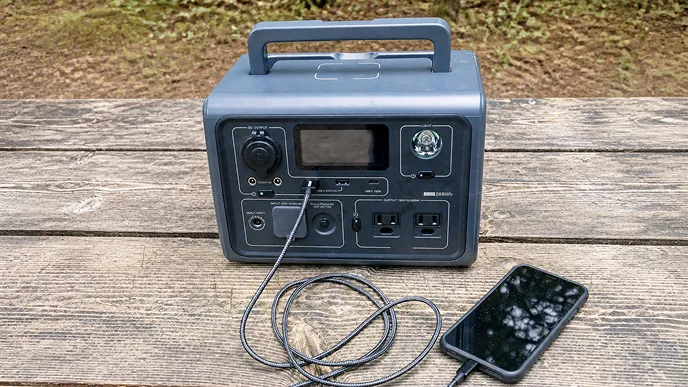
Temporary backup power like mobile generators and portable batteries operate independently and aren’t connected to an electrical panel. Use the right extension cords to plug the devices you want to use directly into the unit. Always use them outdoors and according to the manufacturer’s instructions.
Permanent systems
Permanent backup power like stationary generators with transfer switches and battery systems supply power directly to the home. They must be installed by a member of the Corporation des maîtres électriciens du Québec and connected to the electrical panel using specialized equipment that isolates the home from the power grid. This ensures reliable, compliant and safe operation and protects Hydro‑Québec crews during a power outage.
A permanently installed system that automatically supplies power to a home during an outage. It safely switches the home from Hydro-Québec’s grid to the generator without requiring any manual intervention.
1. Permanent systems: Always hire a master electrician
Every permanent backup power supply must be installed in accordance with applicable standards to ensure it operates safely.
Make sure you:
- Hire a master electrician to:
- Ensure a compliant transfer switch is in place
- Notify Hydro‑Québec of the installation
- Verify that the system completely isolates the home from the grid during an outage
Never:
- Install a permanent backup power supply that doesn’t meet applicable standards.
- Install a system without a transfer switch, since doing so could feed electricity back into the grid, a phenomenon known as backfeeding, during an outage.
Backfeeding can put Hydro‑Québec crews at risk of serious or even fatal electric shock. It can also damage equipment and the grid or even cause a fire.
2. Always connect a generator or battery safely
Portable generators and batteries must always be used outdoors, away from doors, windows and air intakes, and never in an enclosed space.
Make sure you:
- Plug devices directly into the generator or battery.
- Use heavy‑duty extension cords certified for outdoor use.
Never:
- Use a male‑to‑male adaptor.
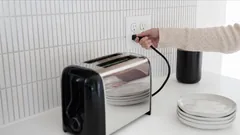
- Plug a generator into a standard wall outlet (risk of backfeeding).
- Connect a generator directly to the electrical panel.
- Use extension cords with an insufficient current rating.
Doing any of these things can cause electrical cables to overheat, damage equipment and increase the risk of fire or electric shock.
3. Always use a generator outdoors
Gas‑ and propane‑powered generators produce carbon monoxide (CO), an invisible, odourless gas that can be extremely dangerous.
Make sure you:
- Place the generator outdoors, away from doors, windows and air intakes.
- Choose an open, well‑ventilated location.
Never:
- Use a generator indoors, even in a garage with the door slightly open.
Improper use can cause serious carbon monoxide poisoning and can be fatal in just a few minutes.
Comfort without the risk
A backup power supply helps you stay self‑sufficient during an outage. When it meets applicable standards and is used safely, it protects your home, your loved ones and the grid while keeping Hydro‑Québec crews safe.