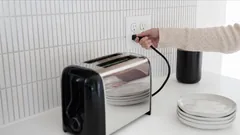


At home, electricity is part of everyday life. We plug in and unplug devices and use all sorts of appliances without giving safety much thought. But some routine tasks require a little extra caution. By adopting a few simple habits, you can reduce the risk of accidents and keep you and your loved ones safe.
Using electricity safely
Electricity is a renewable source of energy that’s essential to modern life. Reliable and generally very safe, it powers our homes and the appliances and devices we use every day.
However, when someone comes into contact with an electrical source, current can pass through the body in an instant. It can affect the muscles, heart and nervous system in a fraction of a second. We sometimes underestimate the power of electricity and the effects it can have, even when an electric shock seems minor.
Major renovation projects require proper precautions, but everyday tasks deserve just as much attention. A few simple habits can significantly reduce risks:
- Unplug lamps before replacing the light bulb.
- Unplug the toaster before removing food that’s stuck inside.
- Only use extension cords that are in good condition and replace them if they’re damaged.
Electrical equipment: recognizing signs of wear
An older appliance that still works, a slightly damaged extension cord or a wire that’s been temporarily repaired with electrical tape are all common. However, worn appliances and electrical equipment can increase the risk of accidents. A cracked or exposed wire or faulty connection can allow electricity to flow where it shouldn’t.
Here are a few simple tips to reduce the risks:
- Inspect extension cords regularly and replace them if they’re damaged.
- Use only appliances and devices with cords that are in good condition.
- Unplug appliances and devices by pulling on the plug, not the cord.
- Never cut, bend or remove the third prong on a plug.
- Keep electrical cords covered and out of children’s reach.
The rule is simple: if an extension cord, device or appliance is damaged, have it repaired or replace it.
Water and electricity: avoiding a dangerous combination
Water conducts electricity, so keep it away from any electrical devices in your home and any appliances and devices that are plugged in. Here are a few simple safety habits to keep in mind.
In the bathroom:
- Make sure your hands are completely dry before using an electrical device.
- Keep electrical devices away from the sink and bathtub.
In the kitchen:
- Get into the habit of unplugging an appliance before filling it with water or another liquid.
- Keep countertops and outlets dry.
Outdoors:
- Use electrical appliances in dry areas, away from water and the swimming pool.
- Make sure the ground is completely dry before using a power tool.

Did you know?
In damp places like bathrooms and kitchens, electricity flows more easily, increasing the risk of electric shock.
DIY projects and minor repairs: better safe than sorry
Using a drill, removing a wall plate or replacing an electrical outlet may seem like simple tasks, but they still require caution.
Before starting any work, make sure the power is turned off. If it’s safe to do so and you know how, you can shut off power at the distribution panel. If you’re unsure, don’t take any chances. Contact a qualified professional instead. Simply turning off a switch doesn’t always mean there’s no electricity flowing through the wires.
Some signs, such as a circuit breaker that keeps tripping, a warm electrical outlet or an unusual odour, may indicate a problem with your electrical system. If you notice any of these signs, have your system checked.
When in doubt, it’s always best to call a master electrician (in French only).

Enjoying electricity with peace of mind
Adopting good safety habits can significantly reduce the risk of accidents. Here are a few to keep in mind:
- Use electrical equipment that’s in good condition.
- Choose power bars with built-in circuit breakers.
- Never exceed the maximum number of appliances and devices plugged into the same outlet or power bar.
- Unplug and put away devices when they’re not in use.
- Make sure your electrical system is up to code and properly maintained.
These simple habits, combined with a good understanding of electrical hazards at home, can reduce the risk of accidents so you can enjoy the benefits of electricity with peace of mind.