Residential rate offering Save up to 20% on your electricity bill this winter
A few small changes over a matter of hours each winter will result in savings throughout the winter period. Rate Flex D makes that possible.

How does Rate Flex D work?
It’s easy. For most of the winter period, you’ll pay less than the base rate. During , which last for only a few hours each, the price of electricity is higher. If you use less electricity during those times, you’ll save more.
The rest of the year, the base rate price applies.
On this page :

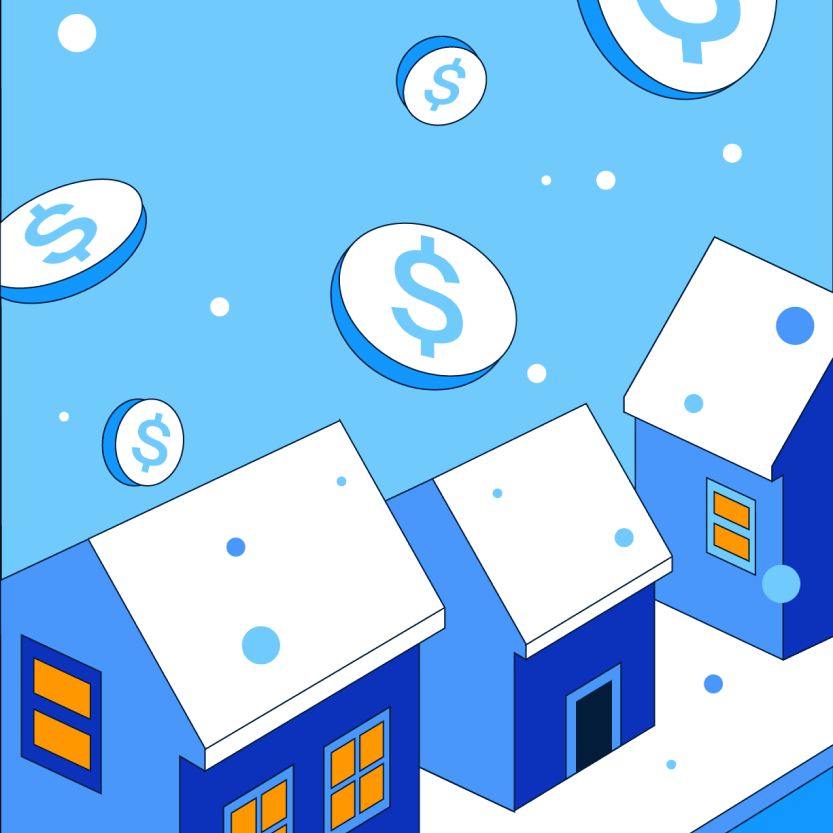
95% of the time, you’re saving money
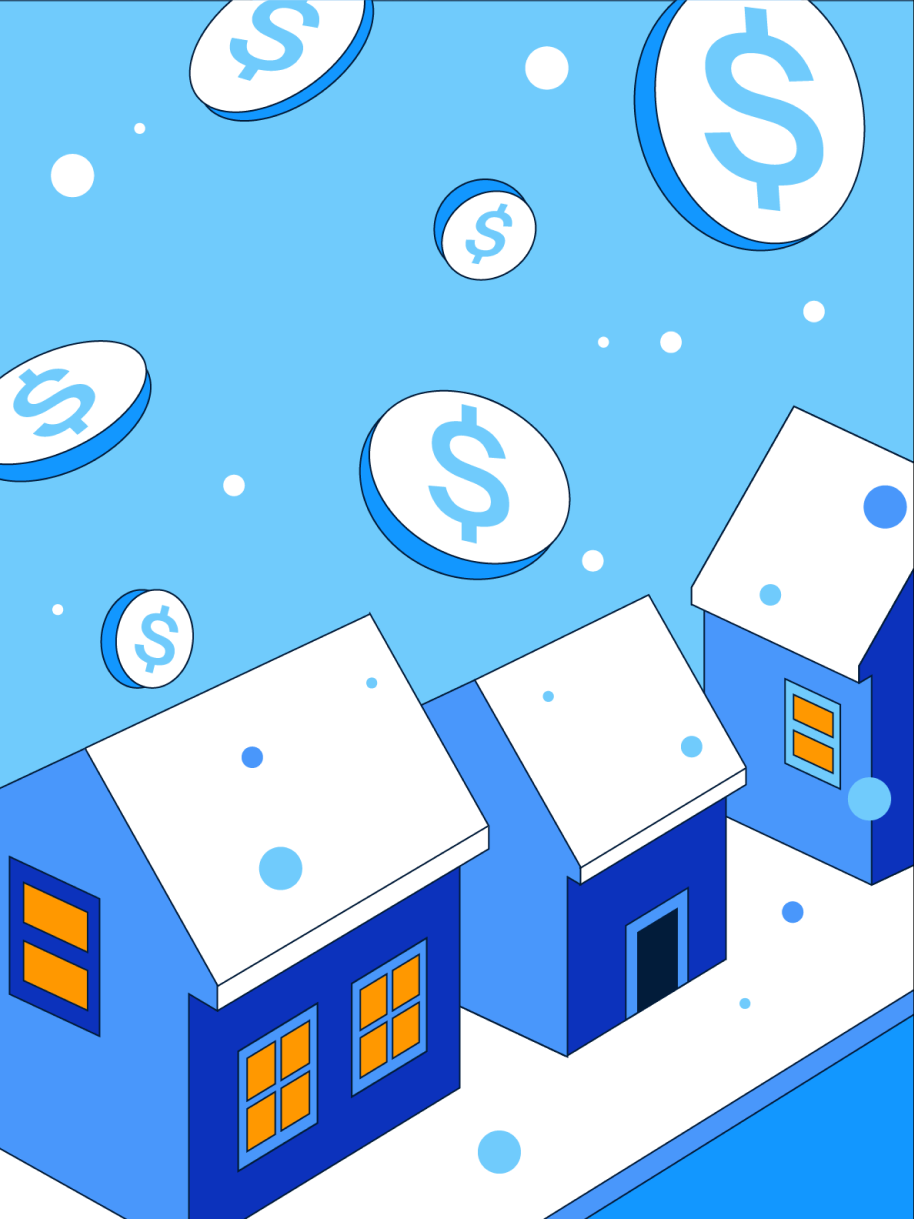
Outside of peak demand events, the price of electricity is below the base rate during the winter period.
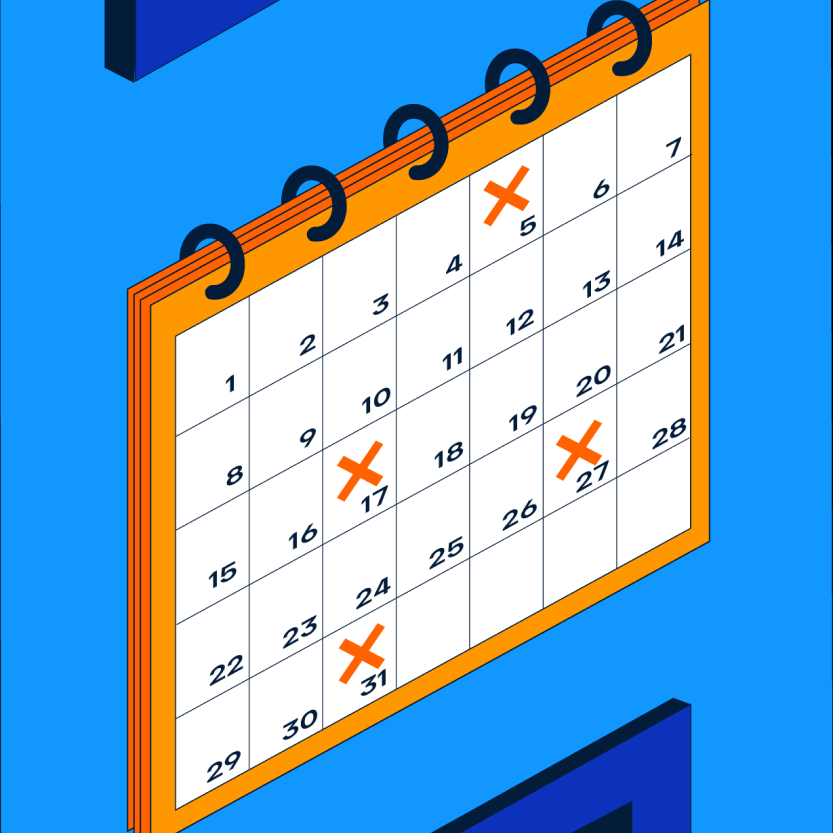
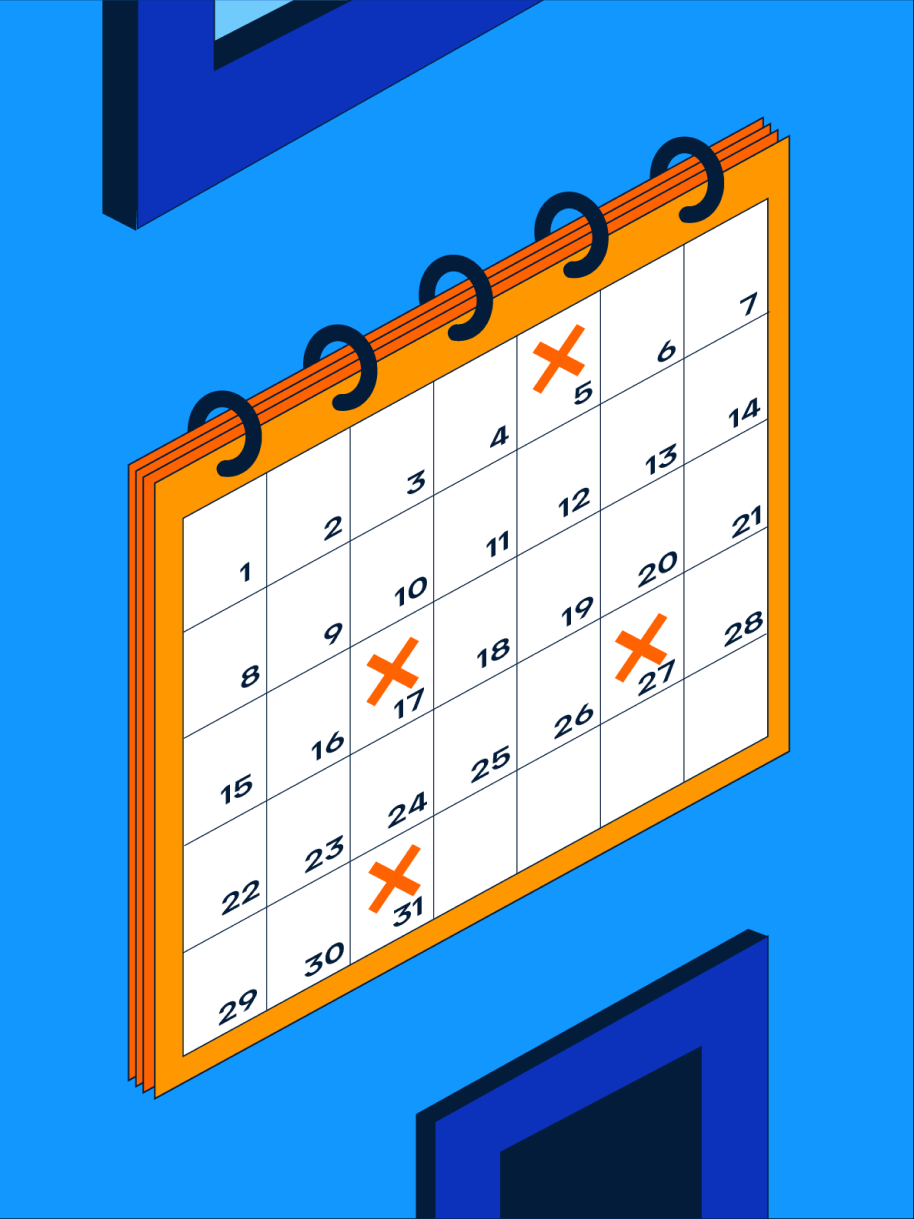
It’s a matter of hours over the entire winter period
There can be a maximum of 30 peak demand events each winter, mainly on the coldest days. They take place in the morning, from 6 to 10 a.m., or in the evening, from 4 to 8 p.m.
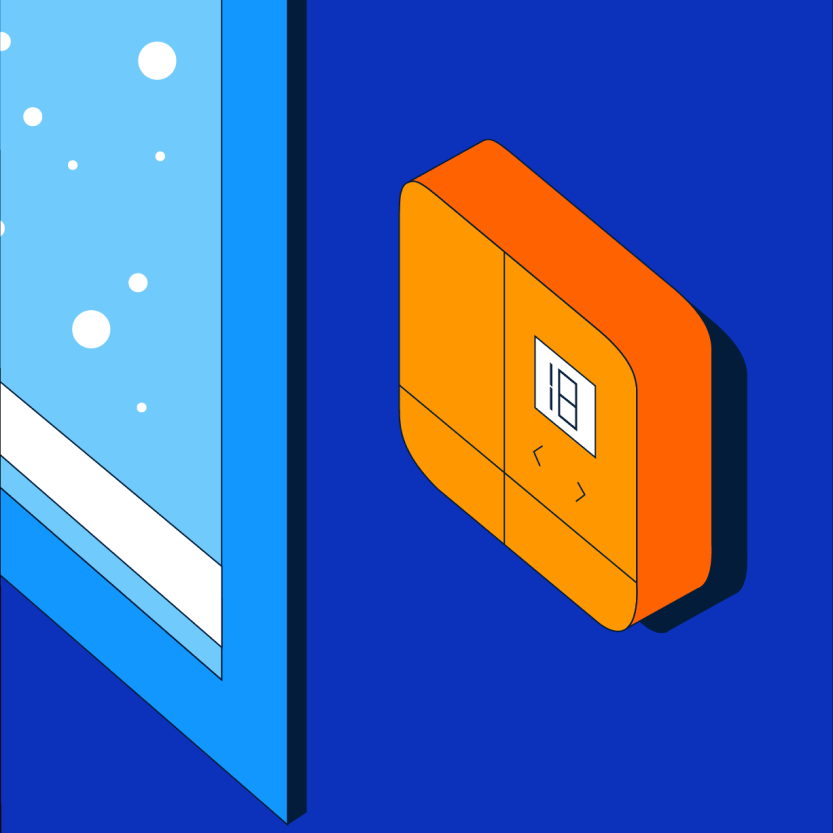
Adopt good habits
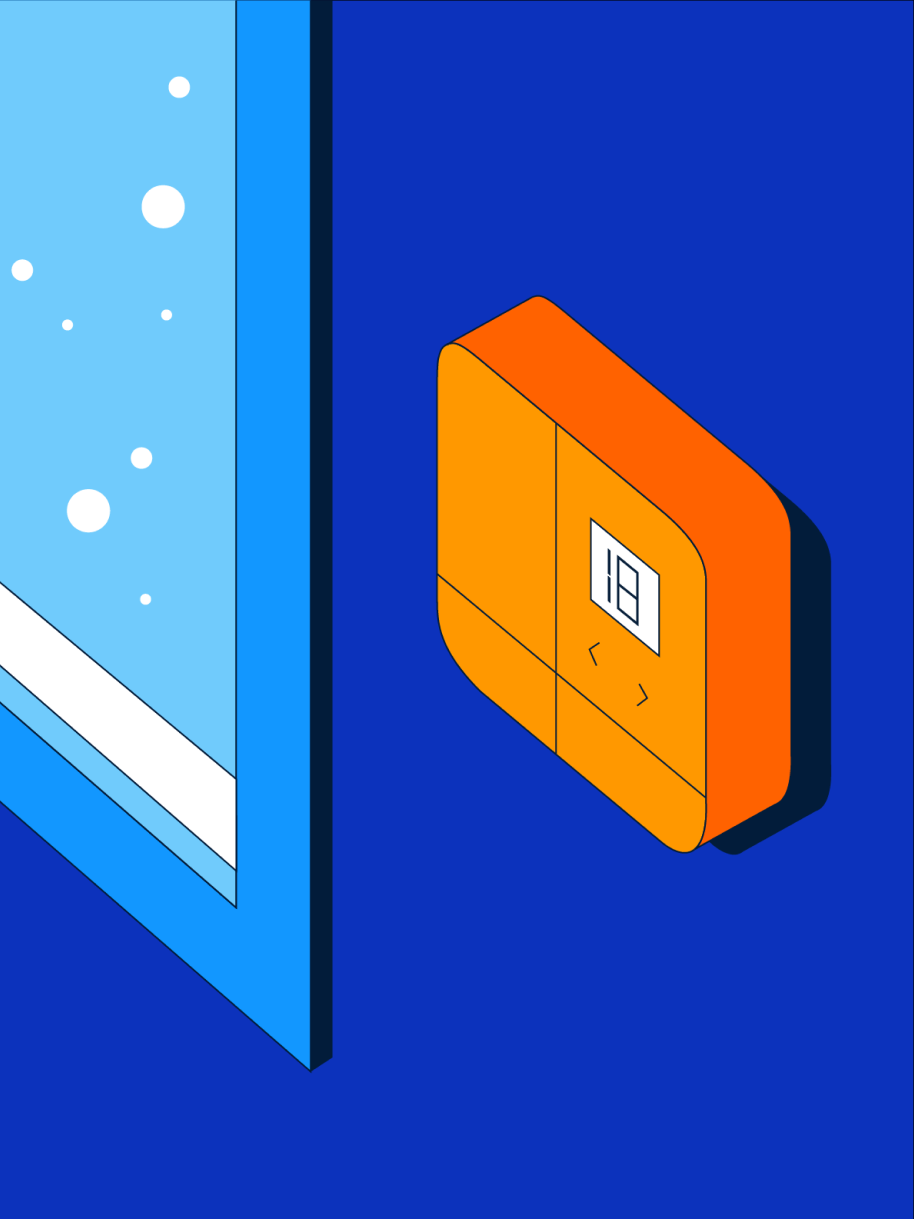
Turn the heat down slightly or shift the use of energy-intensive appliances to off-peak hours.

Savings within easy reach all winter long
Your savings will fluctuate over the winter months. The more you reduce your electricity use during peak demand events, the more you’ll benefit from Rate Flex D during the winter period.
Two ways to take advantage of Rate Flex D
Do you want to take charge of reducing electricity use in your home ? Or would you prefer to have some adjustments made automatically? Rate Flex D lets you decide.
Manual option Rate Flex D
Start at your own pace with the manual option. Make the most of Rate Flex D by modifying your habits so you use less electricity during peak demand events.
- Manage your devices manually
- You can add smart devices later
- Enjoy a streamlined sign-up process—a few clicks is all it takes!
Automated option Rate Flex D with smart devices
Take advantage of Rate Flex D without any fuss thanks to a turnkey solution that programs certain settings during peak demand events, based on your preferences.
- Hilo smart thermostats for $0*
- Free installation
- 24/7 management from the app
- 12-month trial period
*Certain conditions apply. See which ones .
Do you already have compatible smart devices?
You could receive a bonus of up to $210* for each device you connect to Hilo.
Simplify your life with smart thermostats
When it’s very cold out, heating can account for up to 80% of your electricity use. So that’s the first place to make changes during peak demand events.
With smart thermostats connected to Hilo, you can automatically program certain temperature adjustments to get the most out of Rate Flex D.
-

Automated management
You define your preferred settings and Hilo automatically adjusts the temperature during peak demand events.
-

Control your heating remotely
Use the mobile app to set the temperature in your home, wherever you are.
-

Personalized programming
Program schedules that work for you.
-

Thermostats for $0
With Rate Flex D, Hilo smart thermostats are available for $0, including installation.
Very real savings
During winter 2025–2026, thousands of Québec households benefited from Rate Flex D. Their results demonstrate how a few adjustments during peak demand events can easily lead to savings on electricity bills.
Nearly 140,000
households benefited from Rate Flex D in winter 2025–2026
$150
average savings with Rate Flex D combined with smart thermostats
$90
average savings with Rate Flex D without smart thermostats
Rate Flex D at a glance
Rate Flex D at a glance


How can you save money with Rate Flex D? How does it work? You’ll find answers to your questions in this video.
Running time: 1 minute 40 seconds
FAQ
When you turn the thermostat down, your heating system stops. The lower you set the temperature, the longer the heating will stay off and the more you’ll save.
To avoid feeling any discomfort, you can preheat your home for a few hours before the peak demand event begins.
With Rate Flex D, the price of electricity is lower than for the base rate for more than 95% of the winter period. During peak demand events, the price of electricity is higher. Those are the times when it pays to reduce your electricity use as much as possible. Outside of peak demand events, your savings simply continue to grow daily until the end of the winter season.
That’s why the savings posted in your Customer Space change daily between December 1 and March 31.
The day before a peak demand event, you’ll receive a notification by email or through the Hydro‑Québec or Hilo mobile app. The notification includes the event start and end times.
You can also view this information in your Customer Space.
Hydro‑Québec cannot be held responsible for non-receipt of a notification due to the failure of equipment belonging to you or your telecommunications provider.
There is no pre-established threshold, but the temperature is an important factor.
Peak demand events are scheduled when we anticipate high demand for electricity in Québec in winter. That is the main factor. It’s true that on cold days everyone uses a lot of energy at the same time, so the temperature has an impact on demand forecasts. To manage power demand, Hydro‑Québec diligently applies all the means at its disposal, including dynamic pricing.
Peak demand events will not be called on December 24, 25, 26 or 31; January 1 or 2; Good Friday or Easter Monday.
On all other days, peak demand events can take place from December 1 to March 31, from 6 to 10 a.m. and from 4 to 8 p.m.
- Maximum number of events per day: 2 events
- Duration of an event: 4 hours
- Maximum duration of events per winter period: 120 hours
You can opt out of Rate Flex D at any time by calling Hydro-Québec’s customer services. Your contract will then become subject to Rate D (base rate), if it is still eligible, or to any other rate for which it is eligible.
If you cancel your Hilo service and your Rate Flex D service contract early, i.e., before the end of the 12-month agreement, you will have to reimburse the remaining balance on the credit and grant received, if applicable.
Hydro‑Québec can cancel your enrollment in Rate Flex D if it encounters recurring problems in gathering the electricity use data required to calculate your savings, where appropriate.