
Your heat pump is your best ally this winter
Heating accounts for over half of your electricity bill. To lower your costs, use your heat pump every day as your main heating source. With the right settings, it will keep you warm while using less electricity.

Three simple settings to lower your heating costs by up to 40%
Here’s how to get the most out of your heat pump all winter long.
On this page:
Three simple settings to lower your heating costs by up to 40%
Here’s how to get the most out of your heat pump all winter long.
Turn on Heat mode
Avoid the automatic mode, which can turn on the air-conditioning unnecessarily when temperatures are milder.
Set the temperature on your heat pump and then forget about it
Choose a comfortable temperature, for instance 20°C, and avoid making frequent or big changes.
Set your electric baseboards 2°C lower than your heat pump
Your heat pump is your main heating source, and your electric baseboard heaters take over only when necessary.
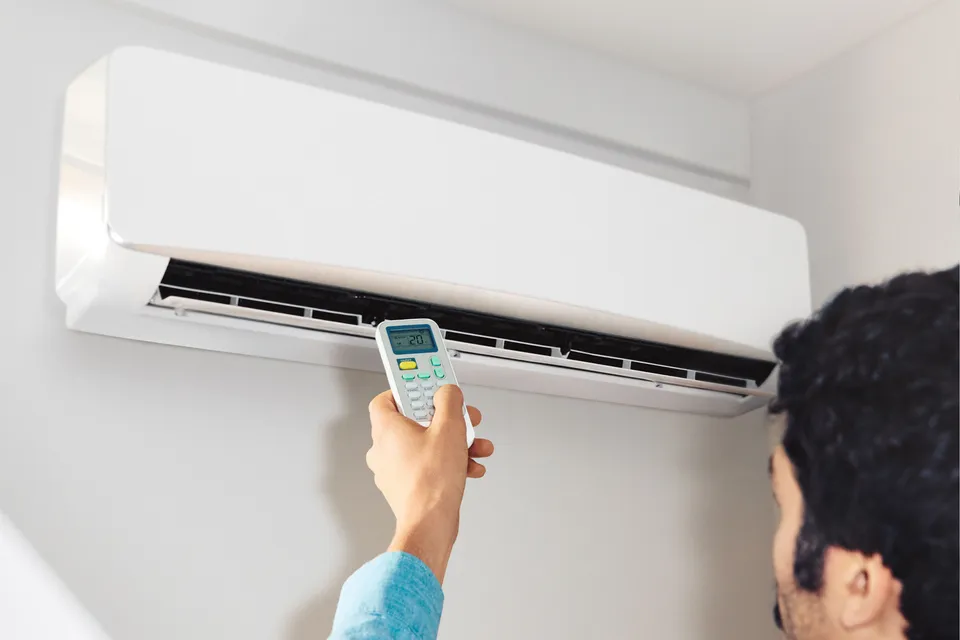
Less energy, same comfort
Heat pumps use up to three times less electricity than electric baseboard heaters to provide the same amount of heat. So it makes sense to use your heat pump as your main heating source. Your baseboard heaters only take over when necessary, for instance during severe cold snaps. When each system is used at the right time, your costs are lowered without sacrificing any comfort.
Tip: check the direction of the unit’s louvers. When airflow is directed properly, the heat will be more optimally distributed in the room. This may enhance comfort without increasing the heating.
Good air circulation helps your heat pump heat efficiently.
A poorly maintained heat pump can use up to 25% more electricity than one in good condition. Here are three simple steps to maintain its performance.
-
Clean the filters
Check the filters monthly and clean them before each season, or as recommended by the manufacturer.
-
Keep the area around the outdoor unit clear
Carefully remove any snow and keep the area around the unit clear of any obstacles.
-
Plan an inspection every two years
Have your heat pump inspected every two years by a professional.
Are you thinking of installing a heat pump?
Receive a grant of up to $6,700 for the purchase and installation of an ENERGY STAR®‑certified heat pump with the LogisVert Efficient Homes Program.
Frequently asked questions
Do you have questions? Read on for answers to the most frequently asked questions.
Yes. Certain heat pumps are better suited to Québec winters. ENERGY STAR®‑certified heat pumps for cold climates can meet most heating needs down to about −20°C. When the heat pump is no longer enough, the backup heating system takes over.
Select “Heat” or the sun symbol on the remote control.
When your heat pump is in automatic mode, it shifts from heating to air‑conditioning based on the room temperature. If a room is warmed up by the sun, the heat pump may start cooling it down, even in the middle of winter! Opting for Heat mode will keep you from wasting electricity in this way.
No. Heat pumps are designed to operate during an entire heating season. It is generally preferable to maintain a stable temperature rather than frequently turning the heat pump on and off. Sharp variations can reduce a heat pump’s efficiency and put pressure on certain components, such as the compressor.
If you have a central heat pump, the thermostat settings must allow the heat pump and the electric backup system to operate at the same time. Please note, however, that simultaneous operation is not possible if you have a fuel‑fired forced‑air heating system.
If needed, contact the company that installed your system to find out the optimal setting for it. This will maximize the amount of heat your heat pump provides to your home, along with your savings!
Wall‑mounted heat pump: During a peak demand event, keep your heat pump in Heating mode and set its temperature about 2°C higher than your baseboard heaters so that it remains your primary heating source. You can also reduce or postpone the use of other electrical appliances during the event.
Central heat pump: If it is connected to Hilo‑compatible devices, let Hilo take care of the settings.
When it’s cold, moisture in the air can freeze on the outdoor unit and form frost. When there is too much, the heat pump automatically starts a defrost cycle: it briefly reverses its operation to melt the frost.
During this cycle, you may see a cloud that looks like steam around the unit. This is not steam produced by the heat pump: it is the warm, humid air created by the melting frost meeting the cold air.
Once the frost is gone, the heat pump automatically returns to Heat mode.
Yes. The colder it gets outside, the harder the heat pump has to work to draw heat from the outdoor air. In very cold weather, its heating capacity and efficiency may therefore decrease.
ENERGY STAR®‑certified heat pumps for cold climates are designed to perform better at low temperatures. Even with these models, backup heating may still be needed during periods of extreme cold.
Additional information
Related articles
-

Save electricity without spending a cent
Day‑to‑Day3 minutes -

How to use your heat pump in winter to maximize your saving
Save money and energy3 minutes -

Six tips to lower your electricity bill this fall and winter
Day-to-Day4 minutes -

Buyer’s guide: five tips for choosing a heat pump
Energy-efficient devices and equipment5 minutes reading