
What to do in case of Carbon monoxide poisoning during a power outage
Fuel-burning generators and space heaters produce carbon monoxide. Using them indoors or too close to doors, windows or air exchangers is dangerous.
Go outside and dial 911.
If exposure or poisoning is suspected, leave the area immediately and contact emergency services.
What to watch for
During a power outage, using generators or heating and cooking equipment can pose risks.
Be vigilant: carbon monoxide is an invisible and odourless gas that can cause loss of consciousness within a short time. Prompt action is essential.
Learn more about safety rules during a power outage.
Equipment and situations that pose a risk
- Generators located too close to openings (windows, doors, etc.) or air exchangers
- A car or generator running in a garage
- Cooking appliances used for heating
- Poorly ventilated fireplaces and stoves
- Defective equipment
Symptoms
- Headaches (often the first sign)
- Dizziness
- Fatigue or weakness
- Nausea or vomiting
- General discomfort
- Confusion
- Blurred vision
- Difficulty breathing
- Chest pain
- Loss of consciousness
If exposure or poisoning is suspected
- Go outside immediately.
- Keep all doors open to thoroughly ventilate the area.
- Ask everyone to leave immediately and prevent anyone from entering.
- Dial 911 and follow the instructions.
When the situation is under control
- Wait for authorization from emergency services before going back inside.
- Consult a healthcare professional even if you don’t have any symptoms or your symptoms have disappeared.
More information on carbon monoxide poisoning
For the latest information and official guidelines, consult Government of Québec resources.
See the official guidelinesSupport and guidance
Experiencing or witnessing such an incident can cause stress, anxiety or emotional distress. Don’t hesitate to ask for support.
Info-Social 811
To speak with a psychosocial worker, available 24/7.
Personal network
Talking to a loved one or someone you trust can help in the days that follow the incident.

FAQ
Our answers to the most common questions.
Go outside immediately and dial 911. Don’t take any risks: symptoms can develop quickly.
Carbon monoxide is an invisible and odourless toxic gas. When inhaled, carbon monoxide displaces oxygen in the blood, depriving organs and tissues of the oxygen they need to function. Poisoning can cause rapid loss of consciousness and death within minutes.
The first symptoms are often headaches, dizziness, fatigue, nausea and general discomfort.
If exposure or poisoning is suspected, do not wait until you have symptoms before dialling 911.
Fuel-burning devices—such as generators, gasoline- and diesel-powered vehicles, barbecues, and heating equipment that run on propane, natural gas, fuel oil or wood—can produce carbon monoxide.
When used in an enclosed or poorly ventilated space, these devices can cause a dangerous buildup of carbon monoxide.
Yes, but only outside and far from the house. Never use it in a garage or near windows, other openings or an air exchanger.
These devices can produce dangerous levels of carbon monoxide when used indoors or improperly.
Only when emergency services confirm that the area is safe and give you permission to go back inside.
Yes, even if you don’t have any symptoms. Some effects may appear later.
Preventing high-risk situations
-
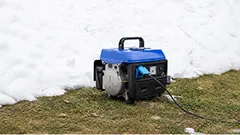
Backup power supply: Three key rules for safe use
Outages and emergency situations4 minutes -

Power outages: Safety rules
Outages and emergency situations4 minutes -
Preparing for a power outage
Outages and emergency situations3 minutes -

Vulnerable persons: Being ready for a power outage
Outages and emergency situations2 minutes